




EternityWhen choosing means losing either way
A metaphysical romance that dares to say some love stories don’t resolve—and some choices only hurt because both options are real.
David Freyne Irish writer-director known for blending genre and emotion. His 2020 queer pandemic romance *Dating Amber* also gained festival acclaim.
Elizabeth Olsen Emmy-nominated actor widely recognized for *WandaVision* and her range across indie dramas and mainstream franchises.
Da’Vine Joy Randolph Tony Award-winning actor known for *The Holdovers* and *Dolemite Is My Name*, bringing scene-stealing depth to both drama and comedy.
Miles Teller Known for *Whiplash* and *The Spectacular Now*, Teller brings layered restraint to roles of emotional complexity and moral ambiguity.
Callum Turner British actor known for *The Capture* and *Fantastic Beasts*, often cast as the brooding romantic or conflicted idealist.
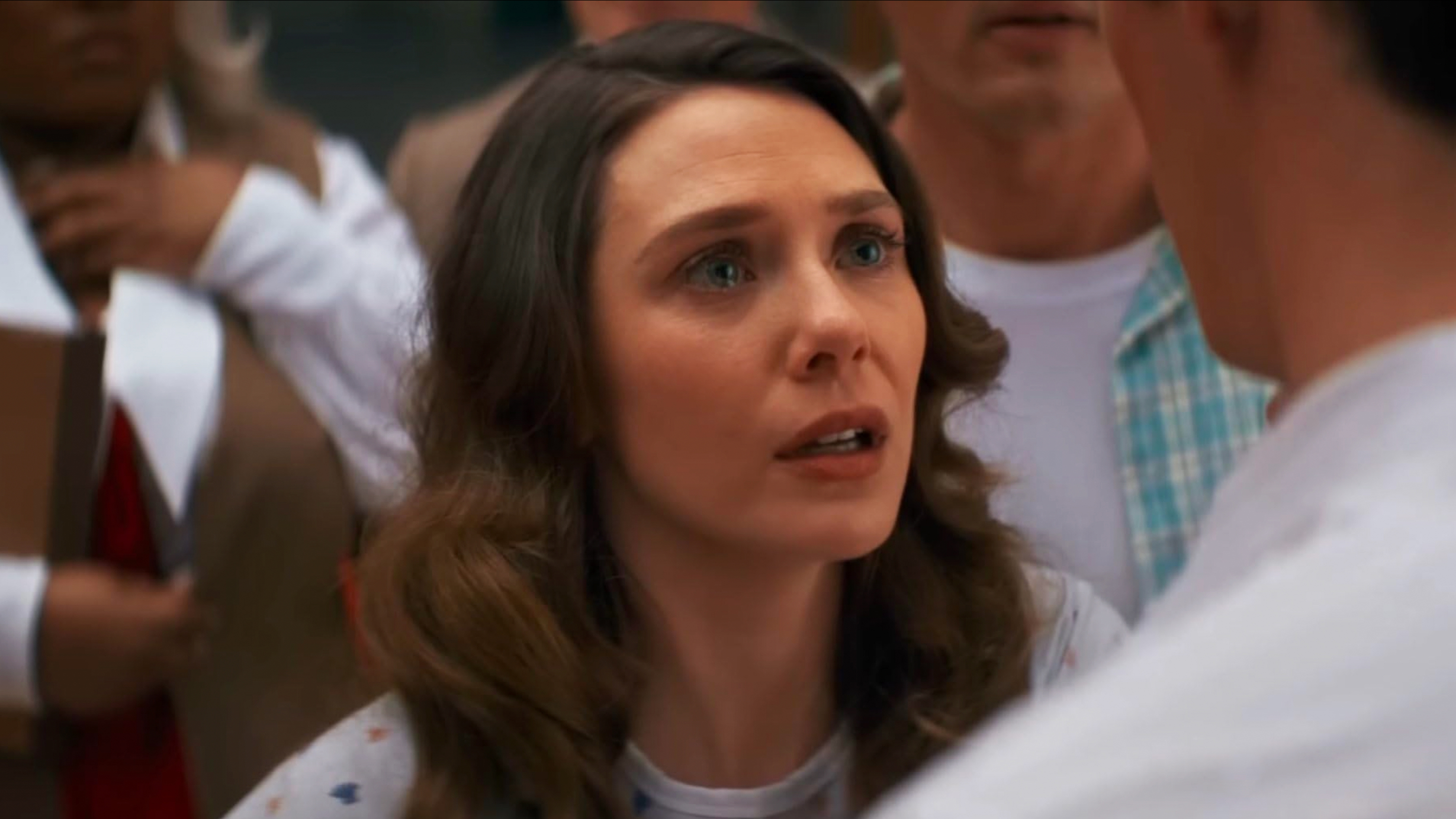
David Freyne’s metaphysical romantic comedy premiered at the Toronto International Film Festival on September 7, 2025, before its theatrical release on November 26, 2025. Elizabeth Olsen stars as Joan, a woman who dies and arrives at an afterlife “Junction” where she has one week to decide where to spend eternity—with her husband Larry (Miles Teller), or with Luke (Callum Turner), her first love who died young in the Korean War and has waited decades for her arrival. The film features Da’Vine Joy Randolph and John Early as afterlife coordinators navigating bureaucratic eternity. Critics praised its “clever spin on the afterlife with an infectious sweet streak,” with RogerEbert.com calling it “light-hearted and funny, yet still moving.” The Hollywood Reporter noted Freyne’s “bright and fun production design” and “sparkling colorful cinematography.” (A24)
The film earns its emotional weight through understated performances that refuse rom-com manipulation. Olsen, Teller, and Turner ground the fantastical premise in genuine feeling—you believe the impossibility of the choice because they play it without theatrics. The film avoids easy sentiment and tidy resolutions, letting the ache of incompatible loves breathe without forcing catharsis.
What keeps it from reaching deeper authenticity is a tendency to circle the same emotional territory without fully developing it—the middle section lingers where it could cut closer to bone.
In terms of what the film offers as a tool for growth, *Eternity* validates an essential truth: some choices aren’t between right and wrong, but between two versions of wholeness that cannot coexist. It witnesses Joan’s paralysis with compassion, showing how impossible decisions create genuine suffering. The film gives permission to feel the weight of choosing without pathologizing ambivalence. Where it stops is modeling what comes next—it’s honest about the dilemma but doesn’t show how to move through it. The film is a mirror that reflects the impossibility without offering a map for living inside it.
“Choosing isn’t always about right versus wrong—sometimes it’s choosing between two versions of love that are both real and both incomplete.”
What makes the film valuable is how it names what most love stories avoid: choosing isn’t always about right versus wrong—sometimes it’s choosing between two versions of love that are both real and both incomplete. Luke represents passion frozen in time; Larry represents endurance tested by life. Neither is more true. The cruelty isn’t that one is wrong—it’s that having both is impossible. The film also captures something precise about memory as seduction. The Archives—buildings in each eternity that replay life’s moments—become traps precisely because they let you relive perfection without consequence. Larry refuses to enter them, sensing the danger: memory can be sanctuary or prison. When you can endlessly revisit what was, you stop building what could be.
“Memory can be sanctuary or prison. When you can endlessly revisit what was, you stop building what could be.”
This is where the film surfaces something it doesn’t resolve, and where your own work begins. The mind treats impossible choices like problems to solve, moving back and forth between options until you’re paralyzed—but paradox isn’t meant to be resolved, it’s meant to be lived. Bring the contradiction into your body and dance, breathe, move, and cry with it. The tolerance for both truths coexisting is itself the resolution.
“Paradox isn’t meant to be resolved, it’s meant to be lived. Bring the contradiction into your body and dance, breathe, move, and cry with it. The tolerance for both truths coexisting is itself the resolution.”
Notice also when you’re romanticizing what you lost while taking for granted what you had—this pattern keeps you measuring the present against an imagined ideal that never existed. The fantasy of what could have been will always outshine the reality of what was. When you catch yourself idealizing the unavailable, ask: what am I avoiding in what’s actually here?
“The fantasy of what could have been will always outshine the reality of what was.”
And if you’re waiting for someone else to make you whole—whether it’s a partner, a memory, or a lost possibility—you’ll stay trapped between incompatible longings. Choose to feel whole first, then let love be what it is without needing it to complete you. That’s how you stop making choices out of desperation and start choosing from alignment.
“The paralysis isn’t the problem—it’s trying to solve what can’t be solved.”
Eternity offers something rare: a love story that doesn’t pretend choosing is simple. Joan’s dilemma isn’t melodrama—it’s the genuine impossibility of honoring two truths that can’t coexist. The film gives you permission to feel the weight of that without offering false comfort. Use it as a mirror for your own impossible choices. When you find yourself frozen between options that both feel unbearable, remember: the paralysis isn’t the problem—it’s trying to solve what can’t be solved. Let the contradiction exist. Bring it into your body. Stop measuring your life against what could have been and start honoring what is. Your reaction to Joan’s choice reveals where your own work lives—not in finding the “right” answer, but in learning to move even when resolution doesn’t come.
“Your reaction to Joan’s choice reveals where your own work lives—not in finding the ‘right’ answer, but in learning to move even when resolution doesn’t come.”